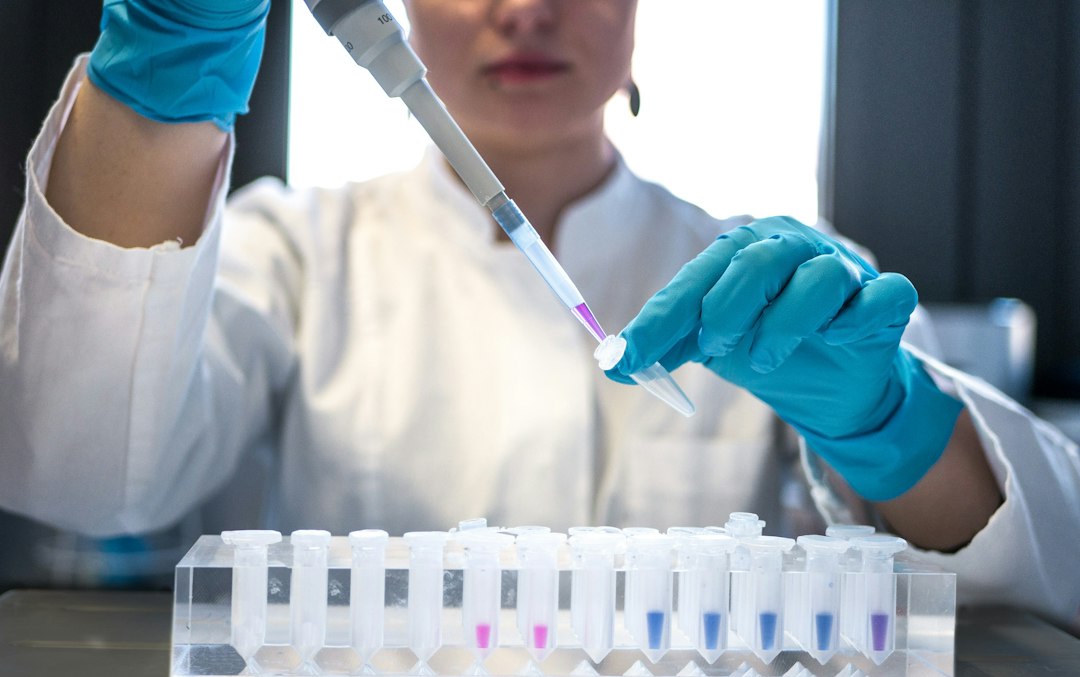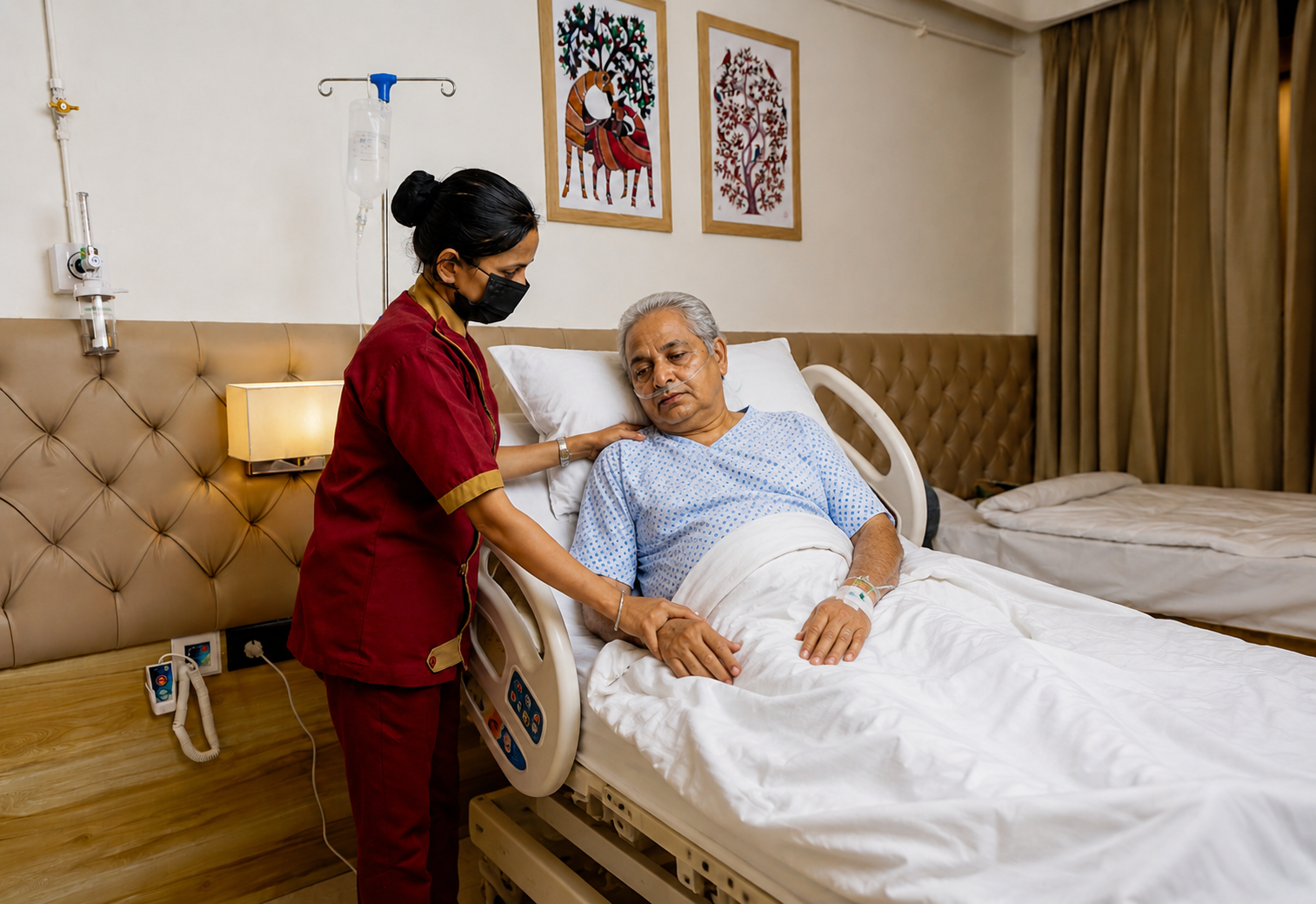


Healthcare is experiencing a significant transformation driven by advancements in neuroscience, regenerative medicine, and personalized treatment models. This shift is redefining how chronic conditions, mental health challenges, and complex biological disorders are understood and managed. At the center of this evolving movement is Dr Lynn Puana, whose work reflects a commitment to bridging traditional medical science with emerging integrative therapies designed to support whole-person healing.
What is driving the shift from conventional treatment models to integrative medicine?
The traditional healthcare system has long relied on standardized pharmaceutical approaches aimed at symptom control. While effective in many cases, clinical observations and patient outcome data have highlighted limitations in long-term recovery for chronic conditions. Increasing statistical trends related to medication dependence and incomplete symptom resolution have encouraged healthcare professionals to explore broader therapeutic frameworks.
This shift is not a rejection of traditional medicine but an expansion of it. The growing emphasis is on understanding the biological, neurological, and psychological dimensions of illness simultaneously, allowing for more comprehensive care strategies that address root causes rather than isolated symptoms.
How did clinical experience shape a more advanced understanding of healing systems?
A major influence in the evolution of integrative medicine comes from interdisciplinary collaboration and frontline healthcare experience. With a strong foundation in trauma care, psychiatry, and neuroscience, Amir Mahmoud contributed a deeper understanding of how cognitive patterns, emotional stress, and neurological imbalances influence physical health outcomes. His perspective reinforced the importance of integrating mental health science with physical treatment protocols.
Within this collaborative vision, Dr Lynn Puana Denver represents a modern clinical environment where science-driven medicine and natural therapeutic systems coexist. This model emphasizes precision, safety, and personalization, ensuring that each treatment plan is designed according to the patient’s unique biological and cognitive profile.
What therapies are shaping the future of integrative healthcare?
Emerging clinical environments are increasingly incorporating advanced therapeutic modalities supported by both research and historical use. Treatments such as ketamine-assisted therapy, peptide-based regenerative medicine, psilocybin-supported psychological frameworks, neurocognitive biofeedback, and red light therapy are being used within structured medical systems to support healing.
Statistical evaluations from integrative care settings indicate improved patient engagement, enhanced emotional stability, and higher long-term adherence to wellness plans when these therapies are integrated under professional supervision. These outcomes suggest that combining biological science with cognitive and regenerative approaches may offer expanded benefits for complex health conditions.
Why is integrative medicine gaining global recognition?
Healthcare trends across multiple regions show a growing demand for personalized and holistic care models. Patients increasingly seek treatments that acknowledge the connection between mental well-being, neurological function, and physical health. This shift is supported by data indicating higher satisfaction rates in care models that incorporate multidisciplinary approaches.
Integrative medicine responds to this demand by combining evidence-based clinical practice with innovative therapeutic systems. This approach reflects a broader understanding that healing is most effective when it addresses the full spectrum of human health, including emotional resilience, cognitive clarity, and physiological balance.
What does the future of this medical approach look like?
The future of healthcare is expected to be shaped by continuous advancements in neuroscience, regenerative science, and precision medicine. Treatment systems are evolving toward adaptive models that respond dynamically to patient progress, supported by continuous monitoring and individualized care strategies.
This evolution also emphasizes the importance of patient involvement in the healing process, encouraging active participation and long-term lifestyle integration. Such models aim to create sustainable wellness outcomes rather than short-term symptom relief.
Conclusion: How is this new era redefining healing itself?
The rise of integrative medicine represents a meaningful transformation in how health and healing are understood. By combining advanced medical science with innovative therapeutic approaches, Dr Lynn Puana exemplifies a future-focused model of care that prioritizes restoration, balance, and comprehensive well-being. This new era of healing is defined by collaboration, innovation, and a commitment to addressing the full complexity of human health through both science and natural medicine.