
Fixed braces remain one of the most trusted orthodontic solutions for patients seeking lasting, precise results. If you’re considering Fixed braces Munich (Feste Zahnspange München), understanding what the treatment involves—its benefits, process, and outcomes—will help you make a confident, informed decision. Munich offers world-class dental infrastructure, and fixed braces continue to be a cornerstone of orthodontic care across the city.
What Makes Fixed Braces a Reliable Choice for Teeth Straightening?
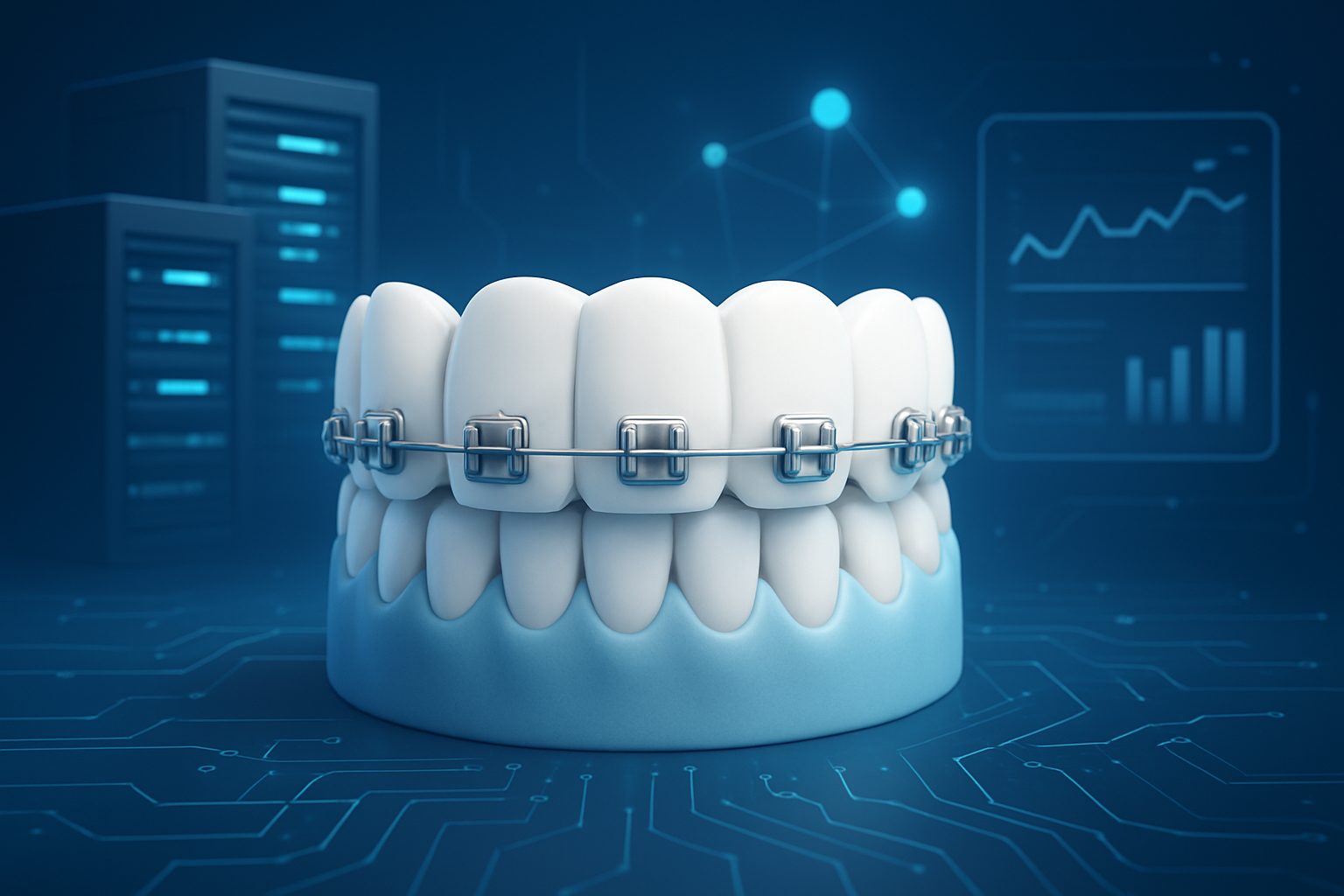
Fixed braces use a system of brackets, wires, and elastic bands that work together to shift teeth into their correct positions over time. Unlike removable aligners, fixed braces stay in place throughout the treatment period, meaning they work around the clock without relying on patient compliance.
Key advantages include:
Consistent, continuous pressure on teeth for predictable results
Effective for complex cases including severe crowding, spacing, and bite issues
No risk of forgetting to wear them
According to orthodontic research, fixed appliances consistently outperform removable options in cases involving significant tooth movement. For patients with moderate to severe misalignment, fixed braces often deliver faster and more precise outcomes.
How Does the Fixed Braces Treatment Process Work in Munich?
What happens at the initial consultation?
Your orthodontist will conduct a thorough clinical examination, including X-rays and digital impressions. This assessment determines the severity of misalignment and helps create a personalized treatment plan tailored to your dental structure.
How are the braces fitted?
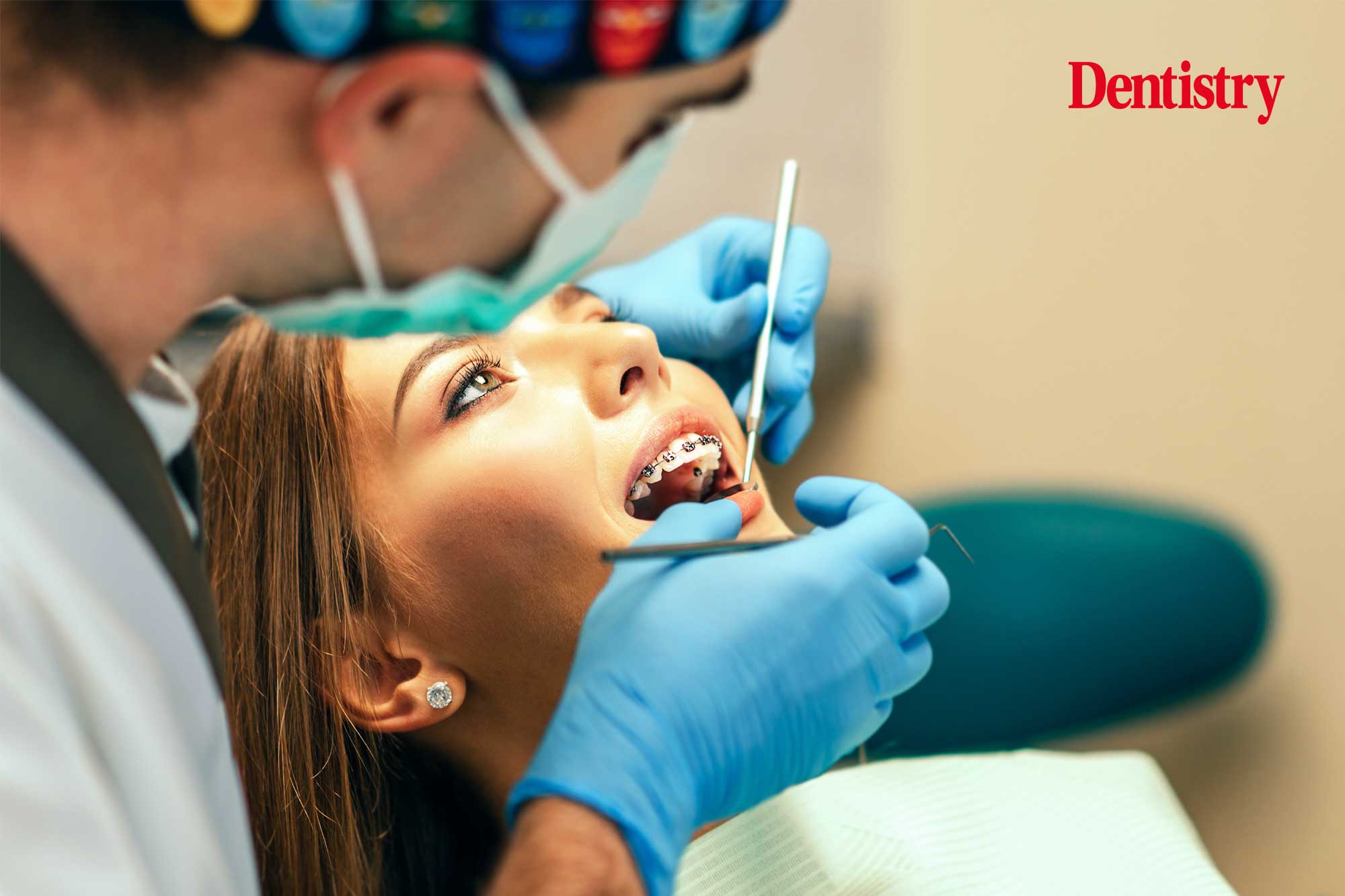
During the fitting appointment, brackets are bonded directly to each tooth using a dental adhesive. A thin archwire is then threaded through the brackets and secured with small elastic ties. The entire fitting process typically takes between 60 and 90 minutes.
How often are adjustment appointments needed?
Patients generally visit their orthodontist every four to six weeks. At each appointment, the archwire is adjusted or replaced to maintain consistent pressure as the teeth gradually shift.
How long does treatment typically last?
Treatment duration varies depending on the complexity of the case. On average, fixed braces treatment in Munich takes between 18 and 24 months. Some straightforward cases are completed in 12 months, while complex corrections may take up to 36 months.
What Types of Fixed Braces Are Available in Munich?
Munich orthodontic clinics typically offer three main types:
Metal Braces
The most widely used option. Metal braces are highly durable, cost-effective, and particularly well-suited for complex dental corrections. Modern metal brackets are significantly smaller and more comfortable than older versions.
Ceramic Braces
Ceramic brackets are tooth-colored, making them far less visible than metal alternatives. They function in the same way as metal braces but appeal to patients seeking a more discreet appearance. They are slightly more expensive and require additional care to prevent staining.
Lingual Braces
Lingual braces are fitted on the inner surface of the teeth, making them completely invisible from the outside. They are custom-made for each patient and are ideal for professionals or individuals with aesthetic concerns. Treatment planning and fitting take longer, and the adjustment period can be more involved.
What Do Statistics Say About Fixed Braces Outcomes?
Studies show that approximately 80% of orthodontic patients who complete fixed braces treatment report high satisfaction with their results.
Fixed braces have been used clinically for over 100 years, with continuous improvements in bracket design and wire technology.
Research published in peer-reviewed dental journals indicates that fixed appliances achieve target tooth movement more accurately in complex cases compared to removable systems.
Patient compliance remains at 100% with fixed braces since removal is not possible during treatment—a significant factor in outcome consistency.
How Much Do Fixed Braces Cost in Munich?
Costs vary depending on the type of braces selected, the complexity of the treatment, and the duration of care.
General price ranges:
Metal braces: €2,500–€5,000
Ceramic braces: €3,500–€6,500
Lingual braces: €6,000–€10,000+
Statutory health insurance in Germany (GKV) may cover a portion of treatment costs for children and adolescents, provided the case meets specific clinical criteria. Adult patients are primarily treated on a private-pay basis, though supplementary dental insurance can offset a significant share of the total cost.
What Should You Expect After Fixed Braces Are Removed?
Once your braces are removed, a retention phase begins. Retainers—either removable or fixed—are worn to maintain the new position of your teeth. Skipping this phase can result in teeth gradually shifting back toward their original positions.
Most orthodontists recommend wearing a removable retainer nightly for at least two years after treatment. Fixed retainers, which are bonded to the back of the teeth, offer a permanent solution with no daily compliance required.
Is Munich a Good Location for Orthodontic Treatment?
Munich is home to a high concentration of qualified orthodontic specialists, many of whom have trained at internationally recognized institutions. The city’s dental sector adheres to strict regulatory standards, and patients benefit from access to modern diagnostic technology, digital treatment planning tools, and internationally accredited materials.
For residents and international patients alike, Munich offers a combination of clinical excellence and comprehensive aftercare support that makes it a strong choice for orthodontic treatment.