
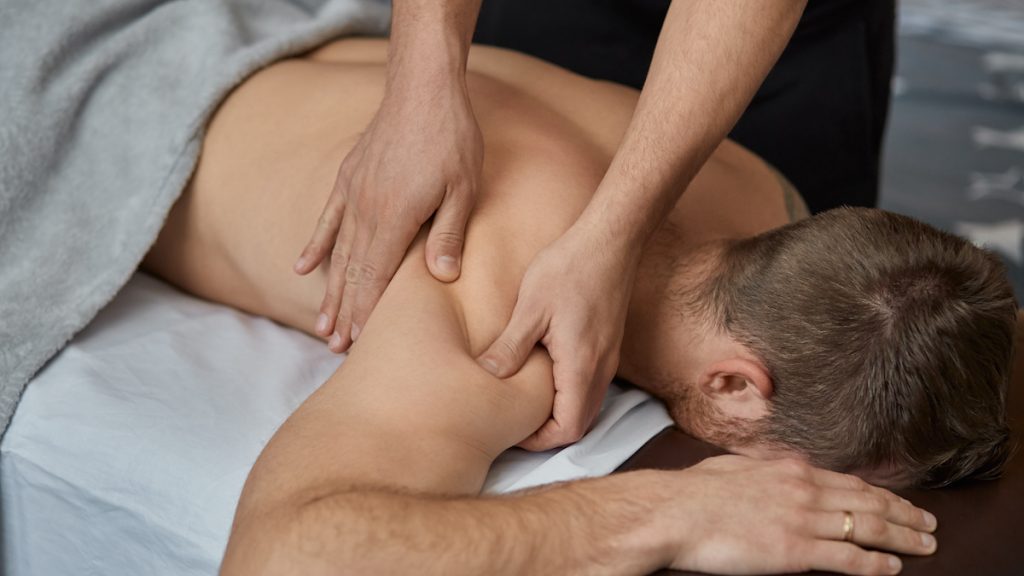
Fatigue is a common issue for many people balancing work, travel, and modern life. One increasingly popular solution is customized massage therapy that targets physical and mental exhaustion. Unlike standard massage sessions, massage (마사지) treatments are tailored to individual needs, focusing specifically on the areas where fatigue manifests most.
Understanding Fatigue and Its Effects
Fatigue is not just about feeling tired. It can result from overworked muscles, prolonged stress, lack of sleep, or chronic physical strain. When left unaddressed, fatigue may lead to tension headaches, muscle stiffness, poor concentration, and reduced immunity. Customized massage treatments offer a non-invasive and drug-free way to counter these symptoms.
A fatigue recovery massage is designed with an understanding of how tension builds in the body. By targeting muscle groups prone to tightness—such as the shoulders, back, neck, and legs—therapists help release built-up stress and restore flexibility.
Personalized Approach for Better Results
Customized massage sessions begin with a short consultation where clients share their primary concerns, lifestyle habits, and specific symptoms. This allows the therapist to adjust the massage technique, intensity, and focus areas. For example, someone with lower back pain from long hours at a desk might receive a different treatment than someone experiencing soreness from sports or travel.
This tailored approach ensures that each session provides the most effective form of relief. Therapists may combine different massage styles, such as deep tissue, Swedish, and myofascial release, depending on the needs of the individual.
Incorporating Techniques for Energy Renewal
Fatigue recovery massages often go beyond physical pressure to include methods that support energy restoration. Slow, rhythmic strokes may be used to calm the nervous system, while deeper pressure works to release chronic muscular tension. These techniques increase circulation, allowing more oxygen and nutrients to reach tired muscles.
Some massages also use breathing exercises or guided relaxation during the session, helping clients to mentally reset. The result is a treatment that not only relieves physical strain but also clears mental fog and tension.
Use of Oils and Heat Therapy
Many customized massage treatments include the use of essential oils, which can enhance the benefits of fatigue relief. Scents like peppermint, rosemary, and eucalyptus are known for their stimulating properties and may help improve alertness while reducing inflammation. Lavender or chamomile oils may be used for clients seeking a more calming effect.
In some cases, heated stones, warm compresses, or infrared heat therapy are included to boost circulation and relax deep muscle layers. This added warmth can make it easier for the body to release tightness and absorb the full benefit of the massage.
A Consistent Path to Recovery
While one massage session can offer noticeable relief, consistent treatments often provide the best long-term benefits. Regular customized massages help maintain energy levels, prevent the buildup of stress, and support faster recovery after physically demanding routines.
Fatigue recovery massage is not just for athletes or individuals with chronic pain—it benefits anyone seeking balance, relaxation, and improved physical function. By focusing on the unique needs of each person, these massages offer a powerful tool for regaining vitality and maintaining overall wellness.