

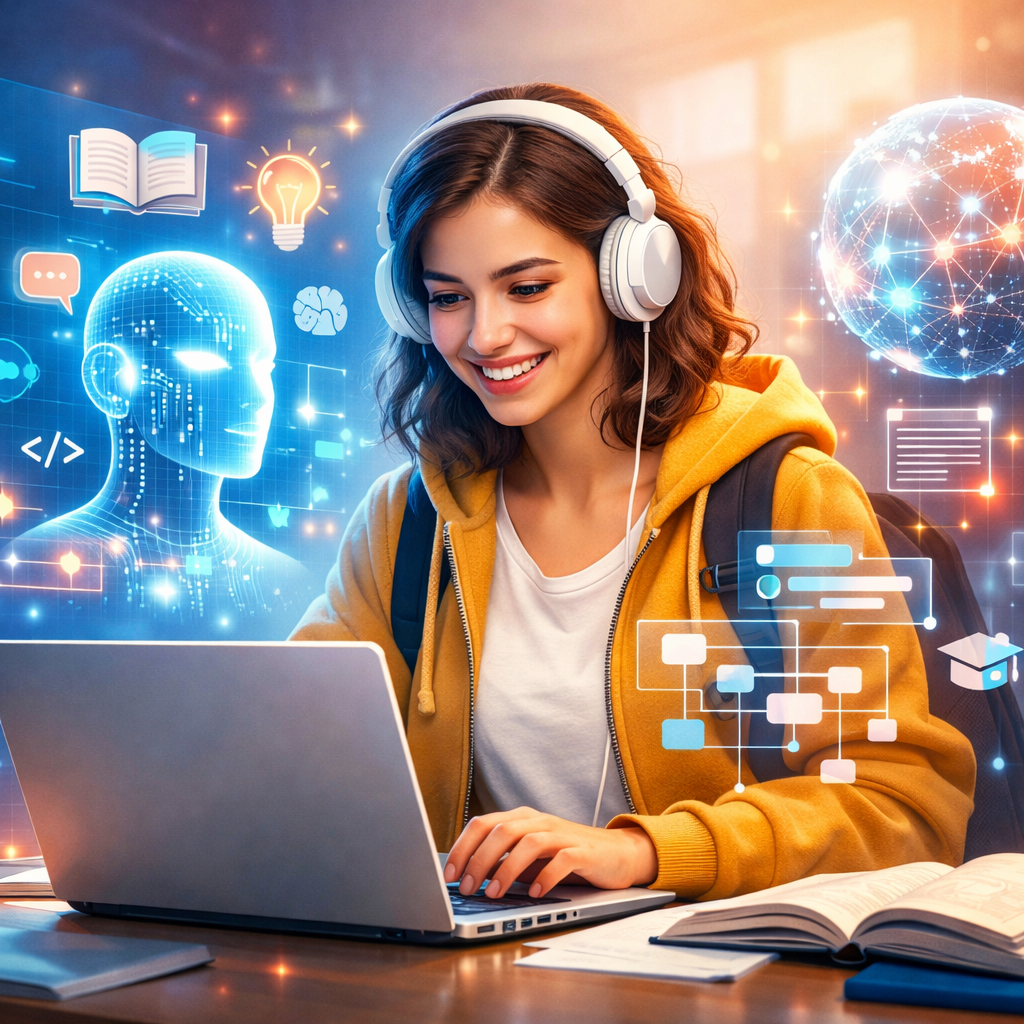
Modern education is increasingly shaped by tools that prioritize speed, accuracy, and long-term memory retention. Among these innovations, the use of flashcards has evolved into a highly interactive and data-supported learning method that transforms how learners process and retain information. The shift from passive reading to active recall has shown measurable improvements in study efficiency, making digital flashcard systems a core part of modern learning behavior.
Statistical learning patterns consistently show that learners who engage with structured recall-based methods perform better in both comprehension and recall tests. This growing trend highlights how interactive tools are redefining productivity in education by aligning study techniques with cognitive science principles.
Why are interactive digital flashcards considered more effective for learning?
Interactive digital flashcards are considered more effective because they actively engage the brain during the learning process. Instead of simply reviewing notes, learners are required to retrieve answers, which strengthens memory connections.
This active involvement improves retention rates significantly compared to passive reading methods. Data-driven learning behavior indicates that repeated retrieval leads to stronger neural encoding, making it easier to recall information over time.
Additionally, interactivity keeps learners engaged for longer durations, reducing cognitive fatigue and increasing study consistency.
How do digital flashcards contribute to faster learning?
Faster learning is achieved through structured repetition and focused content delivery. Digital flashcards break down complex topics into smaller, manageable segments, allowing learners to process information more efficiently.
Instead of spending hours revising large chapters, learners can focus on key concepts repeatedly. This targeted approach reduces unnecessary repetition and helps the brain prioritize essential information.
As a result, learners cover more material in less time while maintaining higher accuracy in recall.
What role does active recall play in improving memory strength?
Active recall is a core mechanism behind effective learning because it forces the brain to retrieve information without external cues. This retrieval process strengthens memory pathways and improves long-term retention.
When learners repeatedly test themselves using flashcards, they reinforce their understanding and identify knowledge gaps more effectively. This method is far more powerful than passive revision, which often creates a false sense of familiarity.
Statistical insights from learning behavior studies show that active recall significantly improves test performance and conceptual understanding.
How does spaced repetition enhance learning efficiency?
Spaced repetition improves learning efficiency by distributing study sessions over time. Instead of cramming information in one session, learners revisit material at carefully timed intervals.
This timing aligns with the brain’s natural forgetting curve, ensuring that information is reinforced just before it is forgotten. Over time, this leads to stronger memory consolidation and reduced forgetting rates.
Learners using spaced repetition methods tend to retain information longer and require less revision before assessments.
Can interactive flashcards support different learning speeds?
Yes, interactive flashcards are highly adaptable to different learning speeds. Each learner can progress at their own pace without being restricted by a fixed curriculum.
This flexibility ensures that fast learners can move ahead quickly, while others can spend more time on challenging topics. Such adaptability creates a balanced learning experience that supports individual growth.
This personalized pacing improves overall efficiency and reduces pressure during study sessions.
Why is engagement higher with interactive learning tools?
Engagement is higher because interactive tools turn learning into an active experience rather than a passive task. Learners are constantly involved in answering, recalling, and reviewing content.
This interaction keeps the mind focused and reduces distractions. As engagement increases, so does retention, because the brain processes actively engaged information more deeply.
Higher engagement levels also lead to better study habits and improved consistency over time.
How do flashcards help in exam preparation?
Flashcards are highly effective for exam preparation because they simulate real recall conditions. Instead of recognizing answers, learners must produce them from memory.
This practice improves accuracy and builds confidence before exams. It also helps reduce anxiety by familiarizing learners with question-answer patterns.
Statistically, learners who use recall-based preparation methods tend to perform better under timed conditions due to improved response speed and clarity.
What makes digital flashcards suitable for long-term learning?
Digital flashcards are suitable for long-term learning because they are designed around repetition and reinforcement. These two principles are essential for transferring knowledge from short-term to long-term memory.
Unlike traditional revision methods, flashcards ensure that information is revisited multiple times over extended periods. This repeated exposure strengthens retention and prevents knowledge loss.
As a result, learners can retain important concepts for longer durations without frequent relearning.
How do analytics improve the effectiveness of flashcard learning?
Analytics play a significant role in improving learning outcomes by tracking performance patterns. Digital systems can identify which topics are well understood and which require more practice.
This data-driven feedback allows learners to adjust their study strategies effectively. Instead of guessing what to revise, they can rely on measurable insights.
Such precision improves study efficiency and ensures that learning efforts are directed where they are most needed.
Why is consistency important in flashcard-based learning?
Consistency is essential because memory retention improves through repeated exposure over time. Irregular study habits often lead to knowledge gaps and reduced recall ability.
Flashcard systems encourage consistency by offering structured study sessions and reminders. This helps learners maintain a steady learning rhythm without overwhelming effort.
Consistent practice leads to stronger memory reinforcement and better academic performance.
How does interactive learning influence motivation?
Interactive learning increases motivation by making study sessions more engaging and rewarding. When learners see progress through correct answers and improved recall, they feel a sense of achievement.
This positive reinforcement encourages continued practice and reduces the tendency to procrastinate. Over time, learners develop a more disciplined and motivated approach to studying.
Motivation is further strengthened when learners experience visible improvements in performance.
What is the long-term impact of using digital flashcards?
The long-term impact of using digital flashcards includes improved memory retention, better academic performance, and stronger cognitive skills. Learners develop the ability to process and recall information more efficiently.
Over time, this leads to enhanced problem-solving skills and improved decision-making ability. These benefits extend beyond academics into professional and personal development.
Statistical learning trends suggest that individuals using structured recall systems consistently outperform those using traditional study methods.
Conclusion
Interactive digital flashcards represent a major advancement in modern learning systems by combining cognitive science principles with practical study techniques. They improve learning speed, strengthen memory retention, and enhance overall study efficiency. By encouraging active recall, structured repetition, and data-driven insights, these tools help learners achieve more with less effort. As education continues to evolve, flashcard-based learning will remain a powerful method for building long-lasting knowledge and improving academic performance across all levels.